
Thoughts on writing, publishing, and stories.
Why I wrote “Brother’s Keeper”
Starting Another Novel
I started Brother’s Keeper around 1996 after I had accomplished my goal of writing Homecoming. I was new to the editing, revising, and submissions process. Waiting for replies and “rejection” letters was nerve-wracking. During this period of not-so-patiently waiting, I wasn’t planning on starting another book, but several events motivated me to get this story written.
Tragic Current Events
The city where my young family lived experienced the abduction of a young girl from her home. The entire community and my little girl were all impacted by this tragic event. Also at this time, pictures of missing children showed up on milk cartons and other media.
Conspiracy theories and doomsday planning, survivalist groups, and cults were common topics, even without the internet as we know it to spread them.
Personal Loss
I lost my father in 1992 due to a car accident. One of my responsibilities was managing the paperwork and accounting of his business affairs. I was close to my father and navigating through the mundane details of his affairs made me even more familiar with the details and ups and downs of his life. I also had to revisit his activities and events leading up to his accident, and this kept many of those events fresh in my mind. The intensity of those emotions is on the pages of Brother’s Keeper.
Writing the Book
At some point during my commute into San Francisco, a story took shape. Every night I would spend some time with my family, then log on to my PC to write this new novel.
The story came quickly. I wrote every evening for about two months to complete the first draft. It came much more naturally to me than Homecoming did. The original story–the beginning, the middle, the climax, and the end–remain roughly the same today.
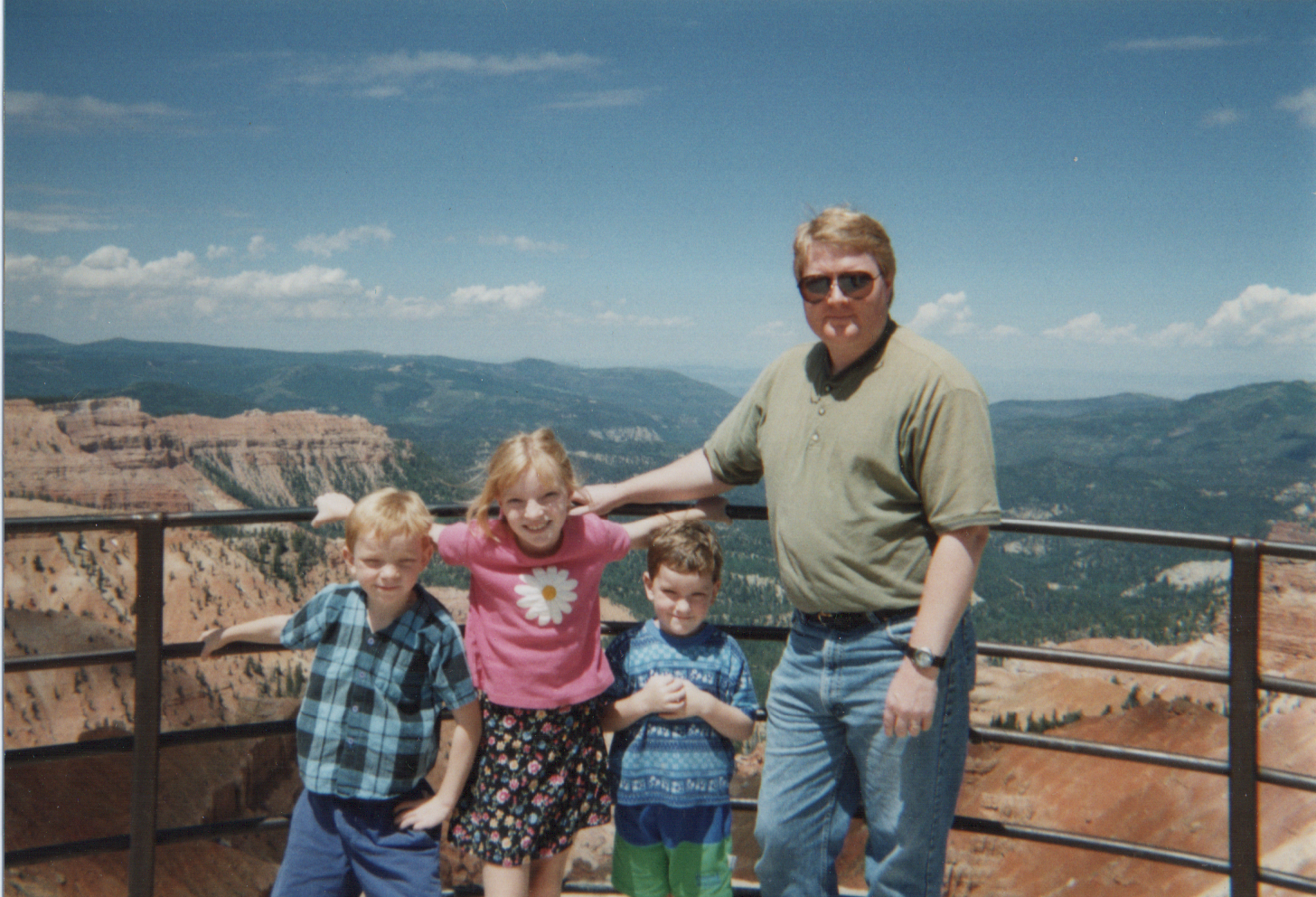
With three of my children around the time I was writing Brother's Keeper. Matthew (center right, blue shirt) inspired the character of Marcus.
Many evenings, my son, Matthew, a toddler, would sit or sleep in his playpen next to me. When I picture “Marcus” in the book, I picture Matthew at that age. Some of the things Marcus says are things Matthew would say.
Themes
I had many topics I wanted to write about:
Processing grief
Being a good brother, son, father
What makes a “real man?”
The importance of role models
Problem solving
Empowerment
Why empathy and kindness are not weaknesses
Responsibility and accountability
Physical vs. emotional strength
…and many more emotions and experiences I wanted to explore
Learning to Tell the Story
One of my goals was always to tell engaging stories like the books I liked to read: The Three Investigators Series by Robert Arthur, Nancy Drew books (which I stole from my sister’s room), all kinds of mysteries and adventures. But I also wanted to say something that would be relatable to the reader–to share an experience.
The problem was not “what” I wanted to say, or “why” I wanted to say it. The problem was the storytelling. I learned the meaning of the word “didactic” and “exposition” early on. I was fine with writing essays and business reports, but fiction, not so much. I wanted to tell a story, not just lecture or preach or give a travelogue.
I wrote Brother’s Keeper to address all of these emotions and experiences that I was dealing with, but to do so in a story that readers would relate to. Storytelling took much, much longer to learn, and I’m still learning.
***
I hope readers enjoy the adventure, but even more, I hope they see themselves in James, Sarah, Marcus, or the imperfect people trying to do the right thing despite life’s challenges.
Why I wrote “Homecoming”
It began as a sort of letter to my little daughters…
When I made my first serious attempt at writing fiction in the 1990s, I had four young children. My oldest was a daughter in grade school, and my youngest, also a daughter, was still a baby. Like many parents, I spent a lot of time thinking about the world my children were growing up in.
The most influential women in my life were smart, funny, capable people. They were caring and supportive, but also strong and independent, with their own dreams, struggles, and stories to tell. At the same time, I saw increasing pressure on young women to fit in, to be accepted, and to measure their worth by appearance or popularity.
Around that same time, a college roommate told me about classmates who had appeared on television shows when they were younger. What struck me wasn't the fame—it was how difficult it was for some of them to simply attend a normal high school and be treated like everyone else. I remembered what it felt like to be an outsider as a teenager, and the idea stayed with me.
Those influences eventually came together in Homecoming, the story of Julie Richards, a former child actress who wants nothing more than a normal senior year. She wants to fit in, make friends, and move forward with her life, while still staying true to herself.
Of course, she faces even more challenges on top of all that!
Beneath the mystery and suspense, however, Homecoming is really about friendship, identity, and the choices people make under pressure. I wanted to explore how good people can be misled while trying to do the right thing, how imperfect people can make mistakes and still move forward, and how success often depends on the support of “true friends.”
What exactly is a “true friend” anyway?
To tell that story, I needed characters I cared about. If I cared about them, I hoped readers might too and would want to follow them through the challenges they faced.
The earliest versions of Homecoming never quite came together the way I wanted. I attempted to publish that version, but failed. Family responsibilities and career demands took priority. The story sat for many years.
A few years ago, I returned to it and wanted to make it a better book. With much-needed rewriting, critical feedback, and a better understanding of storytelling, I finally felt ready to publish the story.
What began as a sort of letter to my daughters eventually became a mystery novel about friendship, courage, identity, and perseverance. I hope readers enjoy the mystery, connect with the characters, and can relate something in Julie’s story to their own experiences.